
Dependable Brake Repair in Casper
Ensure your vehicle stops predictably across the high plains terrain, elevation shifts, and rugged winter environments of Central Wyoming with expert factory-trained service.
Schedule Your Brake Repair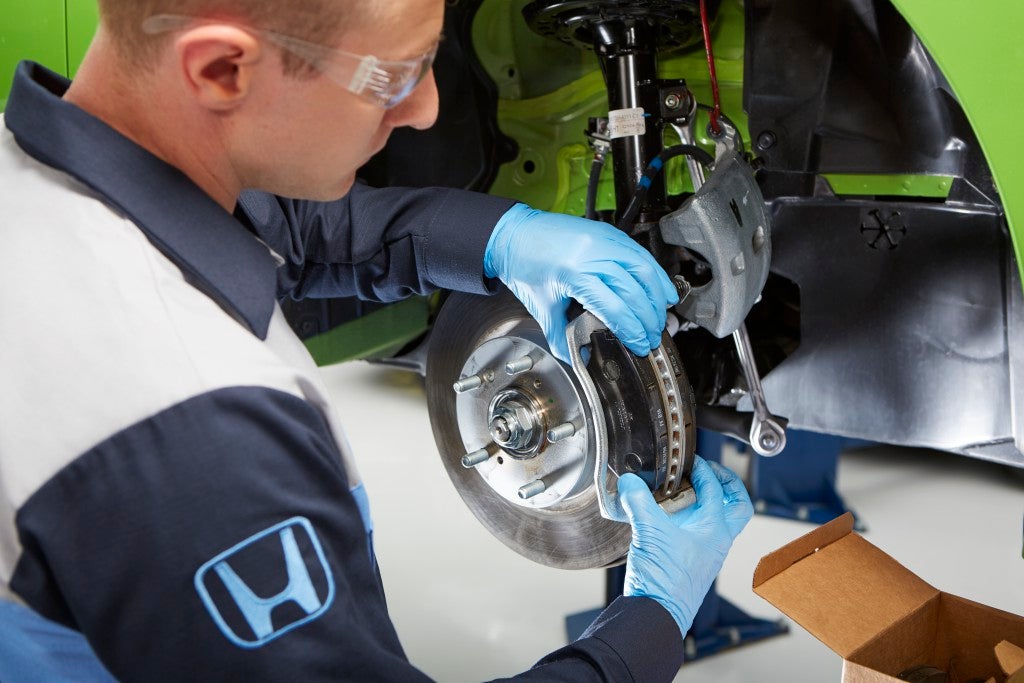
Navigating Central Wyoming with Dependable Braking Systems
Maintaining a robust braking system is vital for safely traversing the varied landscapes of central Wyoming. Residents frequently transition between high-speed highway travel and the stop-and-go demands of city traffic, placing significant stress on hydraulic and mechanical stopping components. At Fremont Honda of Casper, we recognize that your vehicle’s ability to stop predictably is paramount, especially when navigating the high plains terrain and elevation shifts that characterize our region.
The local environment presents unique challenges for standard hardware. Frequent descents and the need for constant speed modulation can lead to rapid heat cycles in your brake pads and rotors. For those making the daily commute from Glenrock, the combination of open-road speeds and urban intersections requires a system that remains responsive without showing signs of mechanical fatigue. Our certified technicians specialize in identifying these specific wear patterns early, ensuring your travels remain secure.
Service CouponsWe view ourselves as more than just a service center; we are your friends and neighbors who share these same roads. This community-first mindset is reflected in our commitment to providing comprehensive maintenance through programs like Fremont Care, which offers peace of mind for every mile driven across the state. We prioritize transparency and high-quality repairs because we understand the stakes of driving in our rugged climate.
If you have noticed a change in how your vehicle responds to the pedal, we invite you to visit our specialists. You can easily find our service center on Cy Avenue to have your system inspected by a professional. If you have immediate questions about your maintenance schedule, please reach out to our team at (307) 219-1796 to discuss your concerns. We are dedicated to keeping our local community moving safely.
Warning Signs That Point to Immediate Brake Repair
Detecting a decline in braking efficiency early can prevent a minor maintenance task from escalating into a dangerous situation. One of the most recognizable indicators is an audible high-pitched screech. This sound typically originates from a small metal tab known as a wear indicator, which makes contact with the rotor once the friction material on your pads reaches a critically low level. If this noise evolves into a harsh, metallic grinding, it signifies that the pads have completely eroded. At this stage, the metal backing plates are pressing directly against the rotors, which can lead to permanent scoring and the need for more extensive replacement parts.
The physical sensation through the pedal also serves as a vital diagnostic tool. A "mushy" or "spongy" feeling often points toward a breach in the hydraulic system, such as air trapped in the lines or a failing master cylinder. Conversely, if you notice a rhythmic pulsing or steering wheel shimmy when slowing down from highway speeds, your rotors may have developed thickness variations or warping. This irregularity disrupts the smooth contact required for efficient stopping.
Keep a close eye on your dashboard for any illuminated brake symbols. Modern new Honda vehicles feature sophisticated sensors that monitor fluid levels and hydraulic pressure, alerting you before a total failure occurs. You should also watch for fluid puddles under the chassis; brake fluid is typically an amber-colored, oily substance that is essential for maintaining the pressure needed to clamp the calipers. If your car drifts to one side while slowing down, it might suggest a seized caliper or a restricted brake hose.
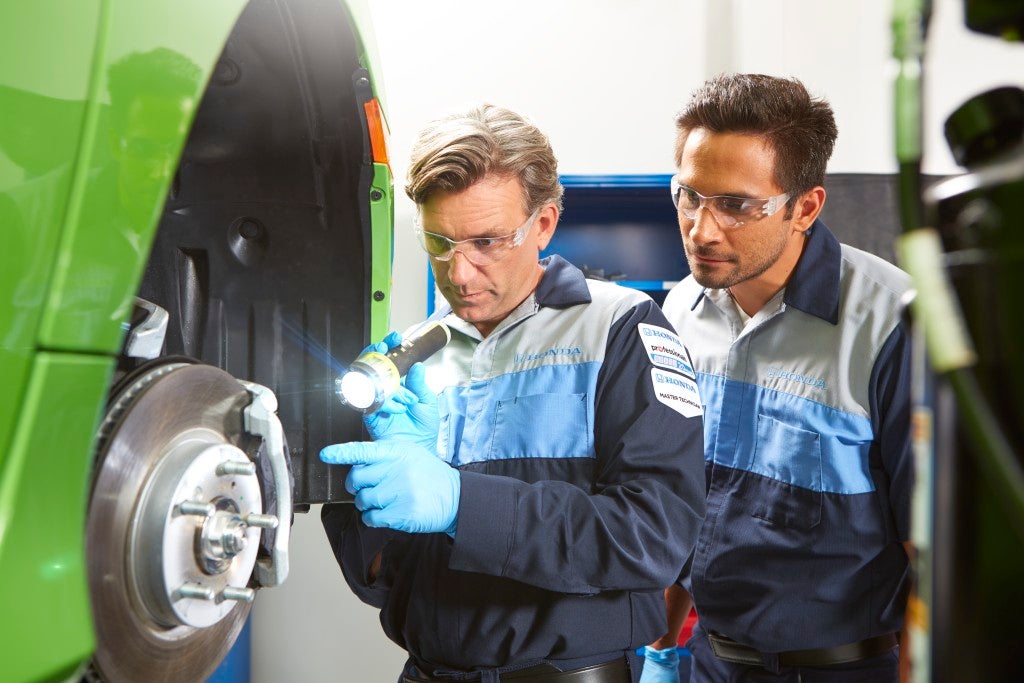
Ignoring these symptoms compromises your safety and increases the risk of a collision. To ensure your vehicle remains in peak condition, you can easily book a professional inspection with our factory-trained technicians. Addressing these issues promptly helps maintain the mechanical integrity of your car while providing peace of mind during your daily travels.
Proactive Habits to Extend the Lifespan of Your Brakes
Adopting specific driving techniques is a highly effective strategy for preserving the longevity of your friction materials and mechanical hardware. In the rolling plains and semi-arid environment around Glenrock, drivers often encounter varied elevations that can lead to excessive heat buildup if the pedal is used constantly. Instead of maintaining steady pressure while descending hills—a habit that results in thermal fatigue and potential rotor warping—try downshifting to a lower gear. Utilizing the engine to regulate your speed preserves the brake pads and keeps the system cool for when you truly need maximum stopping power.
Maintaining a generous gap between your vehicle and the one ahead is another simple yet powerful way to reduce mechanical stress. By allowing for extra space, you can often decelerate by simply lifting your foot off the accelerator and coasting toward a red light. This low-impact approach minimizes the frequency of high-pressure applications that shave off layers of friction material. Furthermore, consider the cargo you carry; hauling unnecessary heavy equipment or ranching supplies across the high plains forces the system to work significantly harder during every stop. Streamlining your vehicle’s weight directly translates to a slower wear rate for your rotors and calipers.
Routine cleanliness and fluid management are also vital. Brake dust is more than just an eyesore; it is an abrasive byproduct that can interfere with heat dissipation. Periodically washing your wheels helps remove this buildup before it can degrade your hardware. Additionally, checking the hydraulic fluid during every oil change ensures the system remains free of moisture, which can cause internal corrosion. If you are maintaining a long-term vehicle or evaluating our current inventory of pre-owned cars for a new addition to your garage, these proactive measures make a substantial difference. As your local friends and neighbors, we believe that small changes in daily habits are the best way to ensure your vehicle remains a dependable part of your Wyoming lifestyle.
How Wyoming Winter Weather and Towing Affect Stopping Power
The environmental extremes found in central Wyoming create a challenging atmosphere for even the most robust braking systems. During the colder months, the frequent application of road salt and chemical de-icers is a necessity for maintaining traction on icy streets. However, these substances are notoriously aggressive toward metal. Over time, salt buildup can lead to the oxidation of brake lines and cause calipers to seize, which prevents the pads from engaging or disengaging properly. For those living in Douglas who frequently navigate treated highways, routine undercarriage washes and seasonal inspections are vital to preventing corrosion from compromising hydraulic integrity.
Towing and hauling further intensify the stress placed on your vehicle's stopping hardware. When you are pulling a trailer or carrying a full load of outdoor equipment, the kinetic energy that your brakes must convert into heat increases exponentially. This added thermal load can lead to brake fade, a condition where the pads and fluid become so hot they lose their effectiveness. If your excursions often involve traversing the steep grades near Casper Mountain, your rotors are susceptible to warping due to these intense heat cycles. Ensuring you have high-quality friction materials is essential for maintaining control when your vehicle is at its maximum gross weight.
Winter driving specifically relies on the precision of your anti-lock braking system (ABS). On slick surfaces, the ABS must modulate pressure hundreds of times per second to prevent wheel lock-up and allow for steering input. If sensors are obscured by road grime or if the mechanical components are sluggish due to sub-zero temperatures, your stopping distance will increase significantly. Before the first major snowfall, it is wise to ensure your system is fully optimized. If you are considering upgrading to a vehicle with more advanced safety tech, you can start the process by completing our online finance application to explore your options. Staying ahead of these seasonal demands ensures your vehicle remains a reliable tool for every Wyoming adventure.
Common Questions About Brake Maintenance and Service
Understanding the technical aspects of your stopping system helps you make informed decisions regarding vehicle longevity. As your friends and neighbors who live and work in Wyoming, we believe in providing the clarity needed to keep your car performing at its best.
How frequently should I replace my brake pads?
While most brake pads are engineered to last between 30,000 and 70,000 miles, several variables influence this timeline. If your daily commute involves navigating the rolling hills around Douglas, you may notice wear closer to the lower end of that spectrum. High-load activities like towing or hauling heavy gear also accelerate friction material depletion. Our technicians check these levels during every visit to ensure you are never caught off guard by thinning material.
Does the brake fluid really need to be flushed?
Yes, because brake fluid is hygroscopic, meaning it naturally absorbs moisture from the atmosphere over time. Even if the reservoir level remains high, water contamination can lower the fluid's boiling point, potentially leading to brake fade during heavy use. This moisture also promotes internal corrosion within the calipers and lines. Regular flushes are a standard part of our Fremont Care philosophy to prevent long-term hydraulic failure and maintain consistent pedal feel.
Can I just replace the pads and keep my old rotors?
It depends on the thickness and surface condition of the rotors. If they are free of deep scoring and meet the minimum thickness specifications, they can often be resurfaced to provide a fresh mating surface. However, if they have warped or thinned significantly, replacement is necessary to ensure proper heat dissipation. This is a common focus during a Fremont Certified inspection to guarantee your vehicle meets our rigorous safety standards.
Will poor brakes affect my vehicle's resale value?
Mechanical health is a major factor in appraisal. If you are looking to upgrade, you can estimate the trade-in value of your current vehicle through our online tool. Keeping your maintenance records up to date shows future owners that the car was well-cared for in our challenging climate. Maintaining these systems ensures that every mile you drive in Glenrock remains safe and predictable.
Schedule Comprehensive Brake Maintenance at Fremont Honda of Casper
Ensuring your vehicle is equipped to handle the unique challenges of central Wyoming requires more than just high-quality parts; it demands a service team that understands the local landscape. We look forward to helping you maintain a safe and reliable vehicle for all your upcoming travels.
Questions? Speak with our Service Department directly: (307) 219-1796